
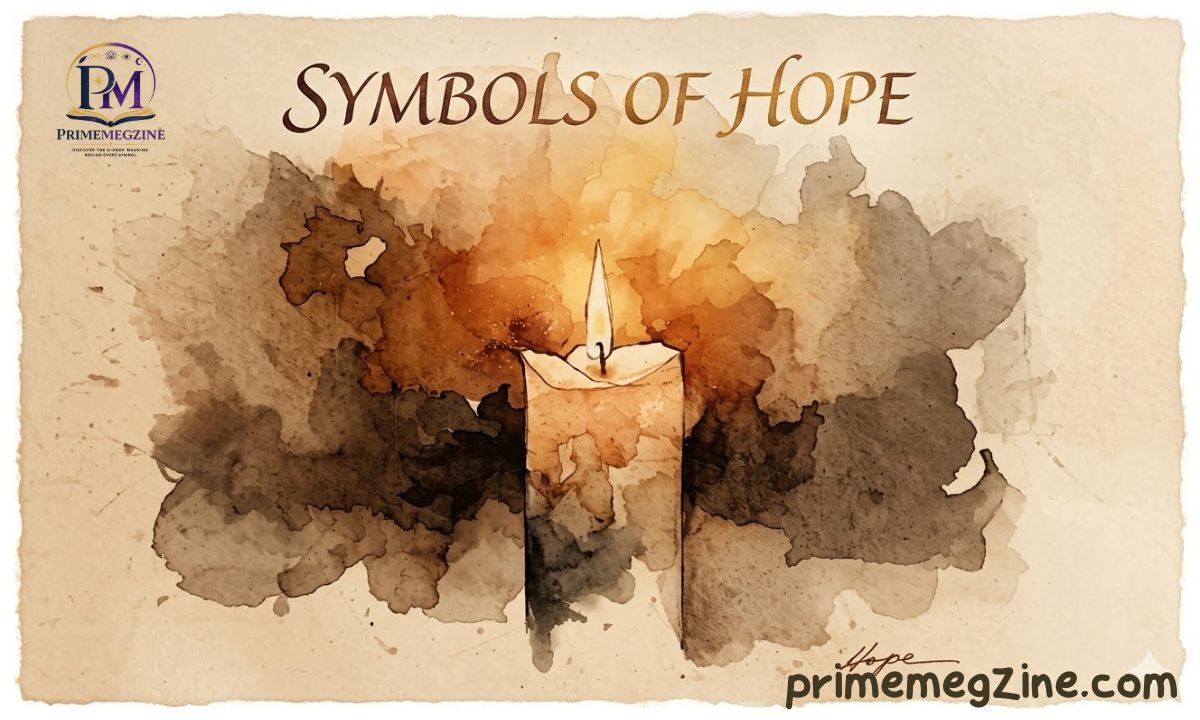
Hope is a powerful feeling that helps people stay strong during difficult times. Throughout history, different cultures have used symbols to represent hope, renewal, and a brighter future. These symbols often remind people to keep believing and never give up.
Many symbols of hope have deep meanings and fascinating stories behind them. From the anchor and dove to the sunrise and rainbow, each symbol carries a message of encouragement and positivity. In this article, we will explore the meanings, history, and powerful inspirations behind some of the world’s most recognized symbols of hope.
What Are Symbols of Hope?
Symbols of hope are visual, cultural, or spiritual images that represent optimism, renewal, and faith in a better future. They appear in nature, religion, mythology, art, and everyday modern life.
Long before written language existed, people relied on simple imagery to express feelings that were too big for words. Light, animals, and elements of nature became stand-ins for survival, courage, and rebirth.
A few early examples include:
- A sunrise representing a fresh start after darkness
- A dove signaling peace once conflict had ended
- A flame offering guidance through uncertainty
These meanings have traveled through centuries of human storytelling, yet their emotional pull has barely changed.
Deep Symbolic Meaning of Hope Symbols
Hope symbols carry layered meaning depending on how they are interpreted — spiritually, psychologically, or culturally.
Spiritual Meaning
In spiritual traditions, hope symbols often represent divine presence and protection. Light, wings, and sacred creatures are used across many faiths to suggest that something greater is watching over human struggle.
These symbols reassure believers that pain is temporary and that renewal is always within reach.
Psychological Meaning
From a psychological standpoint, familiar hopeful imagery can calm the nervous system. The brain links these images with safety, recovery, and forward movement, which is part of why hospitals, grief counseling spaces, and memorial sites often feature gentle, hopeful visuals.
Cultural Meaning
Communities have long used shared symbols to stay emotionally connected during hardship. Wars, natural disasters, and major social shifts have all produced symbols that helped people hold onto a collective identity and resilience, even when individual hope felt fragile.
Types and Variations of Symbols of Hope
Different symbols carry their own visual identity, history, and emotional message. Below are six of the most recognized hope symbols across cultures.
1. The Dove
The dove is widely seen as a universal symbol of peace and reconciliation, often pictured in flight with an olive branch. It appears throughout Christian tradition, ancient Mesopotamian art, and modern peace movements, consistently tied to the idea of conflict giving way to calm.
2. The Rising Sun
A sun breaking over the horizon represents renewal and the start of something new. Ancient Egyptian belief connected the sunrise to the god Ra and the daily rebirth of life, while Japanese culture has long honored the sun as a national and spiritual symbol of vitality.
3. The Anchor
Borrowed from maritime life, the anchor symbolizes steadiness during emotional or spiritual storms. Sailors once depended on anchors for physical safety, and over time the image became a popular symbol in Christian art and personal tattoos to represent staying grounded through hardship.
4. The Butterfly
Few symbols capture transformation as clearly as the butterfly. Its journey from cocoon to flight mirrors personal growth, making it a popular image in psychology, spiritual teaching, and Greek mythology, where it has long been linked to the soul’s transformation.
5. The Candle
A single flame in the dark has represented guidance and inner strength across centuries of ritual and remembrance. Candles remain common in religious ceremonies, vigils, and meditation practices precisely because a small light can feel powerful against a large darkness.
6. The Rainbow
Appearing after a storm, the rainbow has long stood for promise and emotional healing. It carries meaning in biblical tradition, has become a global symbol within the LGBTQ+ community, and continues to be one of the most universally recognized signs of brighter days ahead.
| Symbol | Core Meaning | Common Setting |
| Dove | Peace and reconciliation | Religious art, peace movements |
| Rising Sun | Renewal and fresh starts | Mythology, modern branding |
| Anchor | Stability and grounding | Maritime culture, tattoos |
| Butterfly | Transformation and rebirth | Mythology, psychology |
| Candle | Guidance and faith | Rituals, memorials |
| Rainbow | Promise and healing | Religion, cultural movements |
Symbols of Hope Across Cultures
Hope has never belonged to one tradition. Nearly every civilization developed its own visual language for resilience.
Ancient Egypt
The sun god Ra was central to Egyptian belief, representing daily renewal and cosmic balance. Each sunrise was viewed as a small act of rebirth, reinforcing the idea that life always finds a way to continue.
Greek Civilization
The myth of Pandora’s box is often remembered for releasing hardship into the world, but it also carries an important detail: hope remained behind, suggesting that even after suffering is unleashed, hope endures as humanity’s last resource.
Christianity
Symbols such as the dove, the cross, and burning light are deeply tied to themes of salvation, forgiveness, and spiritual hope. These images continue to shape religious art, worship spaces, and personal faith practices today.
Native American Cultures
Animals such as the eagle hold deep spiritual significance, often viewed as messengers between the physical and spiritual worlds. Many Native nations also use star imagery to represent guidance, direction, and hope for the future.
Eastern Cultures
In China and Japan, the lotus flower is one of the most enduring symbols of hope. Rising clean and beautiful from muddy water, it represents the ability to overcome hardship and reach enlightenment without being defined by struggle.
Symbols of Hope in Art, Movies & Pop Culture
Modern storytelling leans on these same symbols because they connect instantly with audiences.
- Film: Imagery of light breaking through darkness or birds taking flight is frequently used to signal freedom and hope.
- Painting: Classical and Renaissance art often used beams of light to suggest divine hope entering a scene.
- Literature: Authors frequently use sunrises and long journeys as metaphors for personal transformation.
- Tattoos: Anchors, butterflies, and stars remain popular permanent reminders of survival and growth.
- Fashion: Designers continue to use rainbow and floral motifs to express optimism and personal identity.
These creative uses help people carry symbolic hope into daily life, far beyond religious or historical contexts.
Spiritual & Dream Meaning of Symbols of Hope
Many people report seeing hope symbols during periods of emotional change, including in dreams.
- A sun or bright light in a dream may suggest clarity arriving after confusion.
- A butterfly can point to personal transformation already in motion.
- A dove is often interpreted as a sign of forgiveness or incoming peace.
In meditation and reflective practice, these images are frequently understood as the subconscious mind processing healing and emotional readiness for change.
Positive vs Negative Meanings of Hope Symbols
Most hope symbols carry a dual nature, shifting meaning depending on context. Understanding both sides offers a more complete picture.
| Symbol | Positive Meaning | Negative or Cautionary Meaning |
| Dove | Peace | Vulnerability |
| Sun | Life and energy | Overwhelming intensity |
| Butterfly | Growth | Fragility |
| Candle/Fire | Guidance | Danger if uncontrolled |
This duality is a useful reminder that hope rarely exists in isolation. It often sits right alongside struggle, rather than replacing it entirely.
Why Humans Are Attracted to Symbols of Hope
Psychologically, humans are wired to seek out patterns associated with safety and survival. Hope symbols satisfy that need in several ways:
- They reduce anxiety by offering a sense of meaning
- They support the brain’s natural process of working through trauma
- They create emotional grounding during chaotic periods
- They reinforce belief in future possibilities
From early childhood through adulthood, people unconsciously search for visual reassurance that circumstances can improve. This is part of why hope symbols feel comforting across nearly every culture and language, regardless of background.
FAQs
What are the most common symbols of hope?
The dove, rising sun, butterfly, anchor, rainbow, and candle are among the most widely recognized symbols of hope worldwide.
Why do cultures use symbols of hope?
Symbols help express complex emotional ideas like healing, survival, and renewal that words alone often struggle to capture.
Is the butterfly a symbol of hope?
Yes, the butterfly is strongly tied to transformation, rebirth, and personal emotional growth across many traditions.
What does the rainbow symbolize?
The rainbow represents promise, healing, and the belief that brighter days follow difficult ones.
Are symbols of hope religious?
Some carry religious roots, but many hope symbols are universal and appear across multiple belief systems and secular contexts alike.
Why do people tattoo symbols of hope?
People often choose these tattoos as permanent reminders of personal strength, survival, or a major life transformation.
Can dreams show symbols of hope?
Yes, hopeful imagery frequently appears in dreams during periods of emotional healing or major life transition.
Conclusion
Symbols of hope are far more than cultural decoration. They are emotional anchors that have helped humanity move through its hardest and brightest moments alike. From ancient sun worship to modern film and tattoo art, these symbols continue to carry one consistent message: change is always possible, and renewal is always within reach.
No matter how uncertain life feels, these symbols quietly echo the same truth that has carried people through generations — hope has a way of returning, even after the longest darkness.

Steve Carell writes simple Symbol Meanings articles on primemegzine.com, helping readers easily understand signs, symbols, and hidden meanings.