
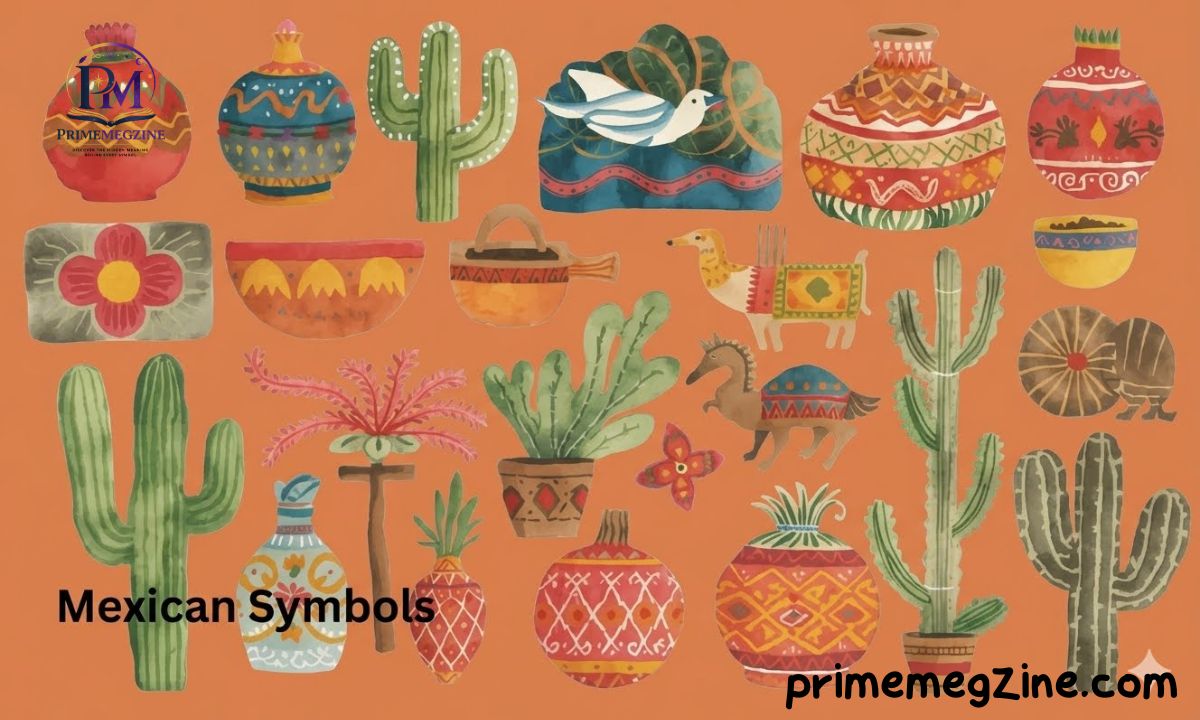
Mexican symbols are powerful expressions of history, culture, spirituality, and national identity. From ancient Aztec carvings to colorful Day of the Dead traditions, these symbols tell stories that have survived for centuries. They represent courage, wisdom, protection, love, and the connection between life and death.
Many Mexican symbols originated from Indigenous civilizations such as the Aztecs and Mayans. Over time, Spanish influences blended with native traditions, creating the rich symbolism seen throughout modern Mexico. Today, these symbols appear in art, festivals, tattoos, architecture, and everyday life.
What are Mexican Symbols?
Mexican symbols are visual representations, sacred images, cultural icons, and traditional designs that reflect Mexico’s heritage and beliefs. They help preserve stories, values, and spiritual teachings passed down through generations.
These symbols can be found in ancient temples, folk art, religious ceremonies, national emblems, and modern creative works. Many symbolize strength, life, death, rebirth, wisdom, protection, and cultural pride.
Traditional Mexican Symbols And Their Deep Meanings
Traditional Mexican symbols carry layers of historical, spiritual, and cultural significance. They often connect people to their ancestors and celebrate the balance between the physical and spiritual worlds.
| Symbol | Meaning | Cultural Importance |
| Eagle and Snake | Victory and destiny | National symbol of Mexico |
| Quetzalcoatl | Wisdom and creation | Aztec deity |
| Marigold Flower | Guidance for spirits | Day of the Dead |
| Sugar Skull | Celebration of life | Mexican festivals |
| Aztec Sun Stone | Time and cosmic order | Ancient civilization |
Mexican Flag
The Mexican flag is one of the country’s most recognizable symbols. It features green, white, and red vertical stripes with an eagle holding a snake while standing on a cactus.
The design originates from an Aztec prophecy that guided the founding of Tenochtitlan, the capital of the Aztec Empire. Today, the flag symbolizes independence, courage, sacrifice, and national unity.
Mexican Symbols And Meanings
Mexican symbols often carry multiple meanings depending on their cultural context.
- Eagle = strength and victory
- Snake = wisdom and transformation
- Sun = life and energy
- Jaguar = power and bravery
- Marigold = remembrance and spiritual guidance
These meanings continue to influence Mexican traditions and artistic expression.
Mexican Symbols Tattoos
Mexican symbol tattoos are popular around the world because they combine beauty with meaning.
Common tattoo designs include:
- Aztec calendar tattoos
- Sugar skull tattoos
- Eagle tattoos
- Jaguar tattoos
- Quetzalcoatl tattoos
Many people choose these symbols to represent strength, heritage, protection, or personal transformation.
Mexican Symbols Copy And Paste
People often use Mexican-inspired symbols online for decoration and creative expression.
Examples include:
☀ ✝ ❤ ★ ☠ ✨ 🌵 🦅 🌺
These symbols are commonly used on social media profiles, usernames, and digital artwork.
Ancient Mexican Symbols
Ancient Mexican symbols were created by civilizations such as the Aztecs, Mayans, Zapotecs, and Olmecs.
These symbols appeared in:
- Temple carvings
- Codices
- Ceremonial objects
- Sacred architecture
Most represented gods, nature, warfare, astronomy, and spiritual beliefs.
Indigenous Mexican Symbols
Indigenous Mexican symbols remain important among native communities today.
Common themes include:
- Earth
- Rain
- Fire
- Corn
- Sacred animals
These symbols reflect harmony with nature and respect for ancestral traditions.
Traditional Mexican Symbols
Traditional Mexican symbols are deeply woven into daily life and celebrations.
Examples include the eagle, cactus, marigold flower, papel picado decorations, and traditional embroidery patterns. These cultural icons continue to be passed from one generation to the next.
Traditional Mexican Symbols And Meanings
Traditional symbols often communicate values such as faith, family, courage, and protection.
For example, marigolds symbolize remembrance, while eagles symbolize bravery and leadership. Each symbol tells a unique story connected to Mexican identity.
Meaning Traditional Mexican Symbols
The meaning behind traditional Mexican symbols goes beyond decoration. Many were originally used to honor gods, celebrate important events, or protect communities from harm.
Today, they continue to inspire pride and cultural connection.
Mexican Symbols Of Love, Protection And Strength
Many Mexican symbols represent emotional and spiritual qualities that people value in everyday life.
Mexican Symbols Of Protection
Protection symbols have existed since ancient times.
Popular examples include:
- Sacred crosses
- Eagle imagery
- Protective animal spirits
- Religious medals
These symbols are believed to guard against negative energy and misfortune.
Mexican Symbols Of Strength
Strength symbols often come from warrior traditions.
Examples include:
- Jaguar
- Eagle
- Aztec warrior shields
- Sun symbols
These images represent courage, determination, and resilience.
Mexican Symbols Of Love
Love symbols are commonly associated with family, loyalty, and affection.
Popular examples include:
- Hearts
- Roses
- Doves
- Floral folk-art designs
These symbols appear in gifts, celebrations, and traditional artwork.
Important Mexican Symbols
Some of the most important Mexican symbols include:
- Mexican Flag
- Eagle and Snake
- Aztec Sun Stone
- Quetzalcoatl
- Marigold Flower
- Sugar Skull
- Cactus
Each symbolizes a different aspect of Mexican culture and history.
Mexican Symbols Drawings
Mexican symbol drawings are known for bold colors, geometric patterns, and detailed artistic styles.
Artists frequently create illustrations featuring Aztec gods, skulls, sacred animals, flowers, and cultural motifs.
New Mexican Symbols
Modern Mexican symbols blend ancient traditions with contemporary culture.
Examples include:
- Modern mural art
- Contemporary folk designs
- National sports imagery
- Cultural festival logos
These symbols reflect Mexico’s evolving identity while honoring its past.
Aztec Mexican Symbols
Aztec symbols are among the most famous Mexican symbols.
Popular examples include:
- Quetzalcoatl
- Sun Stone
- Eagle warriors
- Jaguar warriors
- Sacred calendars
These symbols represented divine power, warfare, knowledge, and cosmic balance.
Ancient Mexican Symbols And Meanings
| Ancient Symbol | Meaning |
| Jaguar | Strength |
| Serpent | Wisdom |
| Sun | Life |
| Corn | Fertility |
| Eagle | Leadership |
These symbols played important roles in religion and social life.
What Are Some Mexican Symbols?
Some well-known Mexican symbols include:
- Eagle and snake
- Sugar skulls
- Marigold flowers
- Sombreros
- Mariachi imagery
- Cacti
- Aztec carvings
These icons are recognized worldwide.
Things That Represent Mexico
Many cultural elements represent Mexico:
- Tacos
- Mariachi music
- Traditional dances
- Ancient pyramids
- Folk art
- National flag
Together, they showcase Mexico’s rich heritage.
Mexican Symbols Culture
Symbols play a major role in Mexican culture. They appear during religious festivals, national holidays, family celebrations, and artistic traditions.
They help preserve identity and strengthen community connections.
Popular Symbols That Represent Mexico
Popular symbols include:
- Eagle and snake
- Cempasúchil flowers
- Sugar skulls
- Mariachi hats
- Papel picado
- Cacti
These symbols are often associated with Mexican pride and tradition.
Iconic Mexican Symbols
Iconic Mexican symbols are recognized across the globe because of their cultural significance and visual appeal.
They continue to influence fashion, art, architecture, and tourism.
Symbols Of Mexican Culture
Symbols of Mexican culture communicate values such as family, spirituality, resilience, and celebration.
They reflect both ancient traditions and modern expressions of identity.
Mexico Symbols And Meanings
Mexican symbols represent:
- Courage
- Wisdom
- Protection
- Heritage
- Faith
- Transformation
Understanding these meanings provides deeper insight into Mexican culture.
Mexican Symbolism
Mexican symbolism combines Indigenous traditions, mythology, Catholic influences, and historical experiences.
This blend creates one of the world’s richest symbolic traditions.
Mexican Cultural Symbols
Mexican cultural symbols help preserve customs, stories, and beliefs.
They can be found in festivals, handicrafts, clothing, murals, and public monuments.
Symbols In Mexican Culture
Symbols continue to shape Mexican cultural identity by connecting people to their history and spiritual roots.
They serve as reminders of shared values and traditions.
Mexican Heritage Symbols
Heritage symbols connect modern generations with their ancestors.
Ancient temples, traditional clothing, and sacred imagery all play important roles in preserving cultural memory.
Mexican Protection Symbols
Protection symbols remain popular in jewelry, tattoos, religious objects, and decorative art.
Many people view them as symbols of safety, guidance, and positive energy.
Deep Symbolic Meaning of Mexican Symbols
Spiritual Meaning
Spiritually, Mexican symbols often represent life, death, rebirth, and divine connection. Many traditions view existence as a continuous cycle rather than a beginning and end.
Psychological Meaning
Psychologically, symbols help people understand identity, cope with loss, and express emotions. They provide comfort during major life transitions.
Cultural Meaning
Culturally, these symbols preserve Indigenous heritage and celebrate the resilience of communities that have maintained their traditions for centuries.
Types / Variations of Mexican Symbols
1. Eagle and Snake on Cactus
This national symbol represents victory, destiny, and the founding of Mexico according to Aztec legend.
2. Quetzalcoatl (Feathered Serpent)
Quetzalcoatl symbolizes wisdom, creation, knowledge, and spiritual enlightenment.
3. Aztec Sun Stone
The Sun Stone represents time, cosmic order, and the relationship between humanity and the universe.
4. Marigold Flower (Cempasúchil)
This bright orange flower guides the spirits of loved ones during Day of the Dead celebrations.
5. Sugar Skulls
Sugar skulls celebrate life and honor deceased family members through remembrance and joy.
Mexican Symbols Across Cultures
1. Aztec Civilization
Aztec symbols represented gods, warfare, sacrifice, and cosmic balance.
2. Mayan Culture
Mayan symbols focused on astronomy, mathematics, sacred time cycles, and divine knowledge.
3. Spanish Colonial Era
Spanish influences introduced Christian symbols that blended with Indigenous traditions.
4. Modern Western Culture
Today, Mexican symbols appear in global fashion, tattoos, films, and popular art.
5. Indigenous Modern Communities
Many Indigenous communities continue using traditional symbols to preserve language, spirituality, and cultural identity.
Mexican Symbols in Art, Movies & Pop Culture
Mexican symbols frequently appear in films, murals, tattoos, fashion, and literature. Day of the Dead imagery, marigolds, skulls, and Aztec motifs have become globally recognized cultural icons.
Artists use these symbols to tell stories about heritage, family, memory, and resilience.
Spiritual & Dream Meaning of Mexican Symbols
When Mexican symbols appear in dreams, they may represent personal growth, spiritual awakening, or ancestral guidance.
Common dream interpretations include:
- Eagle = freedom
- Snake = healing
- Skull = transformation
- Flower = remembrance
Positive vs Negative Meaning
Positive Meanings
- Protection
- Wisdom
- Courage
- Spiritual guidance
- Rebirth
Negative Meanings
- Conflict
- Sacrifice
- Fear of change
- Loss
- Chaos before transformation
Why Humans Are Attracted to Mexican Symbols
Humans are naturally drawn to symbols because images communicate meaning quickly and emotionally.
Mexican symbols are especially appealing because they combine ancient history, spiritual depth, vibrant artwork, and universal themes such as life, death, family, and renewal. Their powerful stories continue to inspire people around the world.
FAQs
What are the most famous Mexican symbols?
The eagle and snake, sugar skulls, marigold flowers, and Aztec Sun Stone are among the most famous Mexican symbols.
What does the Mexican eagle symbol mean?
The eagle symbolizes strength, victory, leadership, and the founding story of Mexico.
Why are skulls used in Mexican culture?
Skulls honor deceased loved ones and celebrate the continuation of life through remembrance.
What is the meaning of Quetzalcoatl?
Quetzalcoatl represents wisdom, creation, divine knowledge, and spiritual enlightenment.
What is the Day of the Dead symbol?
The most recognized symbols are sugar skulls and marigold flowers used to honor ancestors.
Are Mexican symbols religious?
Some are religious, while others are cultural, mythological, historical, or spiritual in nature.
Why are Mexican symbols popular in tattoos?
They represent identity, strength, heritage, protection, and personal transformation.
Conclusion
Mexican symbols are far more than artistic designs or cultural decorations. They are living expressions of history, spirituality, identity, and human experience. From the eagle and snake on the national flag to the vibrant marigolds of Day of the Dead, each symbol carries a story that connects generations across time.
Understanding Mexican symbols helps us appreciate the richness of Mexico’s heritage and the universal themes they represent. Their messages of courage, wisdom, remembrance, protection, and renewal continue to inspire people throughout the world, ensuring these powerful symbols remain meaningful for generations to come.

Steve Carell writes simple Symbol Meanings articles on primemegzine.com, helping readers easily understand signs, symbols, and hidden meanings.